


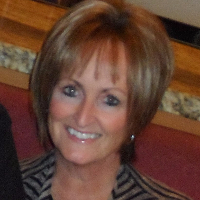
Julianne DeMedici
Licensed Clinical Social Worker (LCSW)
About Julianne
Much of what brings people to therapy is relational at its core, rooted in long-standing ways of relating to others, to work, to the body, and to oneself. My work focuses on how these patterns developed, what purpose they serve, and how they shape a person’s life in ways that are both sustaining and constraining.
I’m a Licensed Clinical Social Worker in Nevada and an insight-oriented psychotherapist. Some people come to therapy because anxiety, depression, or stress has become difficult to manage. Others come after a loss, a career change, or the end of a relationship, or without a clear reason, only a recognition that the life they have built no longer fits, or that something important has gone unexamined. Distress in the present often attaches to something older: a familiar feeling, a long-held belief, or a way of coping learned long before the current situation began. The work is to understand what that distress reveals, what a person has been carrying, and what they may be ready to reconsider.
Relationships, family, and trauma. Difficulties with partners, family members, or close friends are where long-standing patterns become most visible. The same conflicts repeat, closeness is hard to sustain, or a person gives more than they receive and struggles to say so. Family conflict, whether current or carried from childhood, can shape how someone sees themselves well into adulthood. For those who have lived through trauma, the effects may appear as anxiety, mistrust, shame, or difficulty feeling safe with others, sometimes long after the events themselves. Therapy addresses both present relationships and the history beneath them, with attention to rebuilding self-esteem and the ability to trust.
Work and identity. Work shapes how people understand their worth, so when it becomes strained, the effects rarely stay at the job. Some clients come to therapy facing job insecurity, performance concerns, a difficult transition, or a career that has lost its direction. Others are leaders and professionals in high-visibility roles, where sustained demands can reshape identity, particularly when achievement begins to cost more than it returns. Whatever the circumstance, the strain reaches into relationships, sleep, and a person’s sense of who they are outside of work. Together, we examine what work has come to represent, what it is costing, and what would make it sustainable. Discretion is central to how I practice.
Health and wellness. Physical and psychological health shape each other. Sleep, nutrition, movement, and stress affect mood and thinking, and emotional life shapes how a person cares for themselves, or fails to. Taking care of one’s health can provide structure, confidence, and a sense of well-being. At times, though, the effort to eat well, stay fit, or manage appearance and aging becomes driven more by anxiety or perfectionism than by genuine care. Therapy can help clarify the difference and explore what that effort has come to mean.
Illness raises different questions. A chronic condition, ongoing pain, or a serious diagnosis can disrupt a person’s sense of who they are and what they can count on, including their own physical capacities. It can bring depression, anxiety, and fear about the future, even when medical care is going well. Relationships shift as dependence and caregiving reorganize a household. Therapy works alongside medical treatment, attending to the grief, uncertainty, and changes in identity that come with living with illness.
Substance use and addiction belong to this picture as well. Alcohol, cannabis, nicotine, prescription medication, or gambling can begin as a way to manage stress, sleep, pain, or mood, and gradually become something a person depends on. These patterns persist because they provide relief, even as they erode health, relationships, and trust in oneself. Treatment focuses on what the substance or behavior has been doing for a person and what it would take to meet that need differently.
Men’s and women’s issues. Midlife can bring women changes that are both physical and existential. Perimenopause and menopause can alter mood, sleep, and desire, but they can also unsettle a sense of self that was built, in part, around how one was seen by others. As that shifts, questions postponed for years come forward: what was given up, what was never chosen, and who she is apart from the roles she has carried. What looks like decline can open the way to a clearer sense of what she wants from the years ahead.
Men’s sense of worth tends to be closely tied to competence: providing, performing, and holding things together. When health, sexuality, or physical strength begin to change, or when success no longer satisfies, that foundation can feel less certain. Few men were taught to treat vulnerability as anything but failure, so the distress goes unnamed and surfaces as irritability, distance, overwork, or drinking. Underneath is something harder to say: fear of becoming irrelevant, grief for an earlier self, or a loneliness that has been there for a long time.
My approach is inquisitive, direct, and collaborative. I draw mainly from psychodynamic and relational perspectives, and I bring in CBT, ACT, and motivational interviewing when they help. Rather than applying a standard method, I start with your history, your circumstances, and the particular tensions you’re living with. I hold a Master of Social Work, master’s degrees in Health and Wellness Psychology and Organizational Communication, and a graduate certificate in Creativity and Innovation. That background is why I pay close attention to where mind, body, relationships, and work meet.
Understanding why something happens matters. Understanding what keeps it going, and what it would take to live on different terms, is where change begins.
What Julianne helps with
- Addictions
- Career difficulties
- Depression
- Eating disorders
- Family conflicts
- LGBT
- Relationship issues
- Self esteem
- Stress, Anxiety
Show 64 more areas
- Abandonment
- Adoption and foster care
- Aging and geriatric issues
- Antisocial personality
- Attachment issues
- Autism and Asperger Syndrome
- Avoidant personality
- Blended family issues
- Body image
- Cancer
- Caregiver issues and stress
- Chronic pain, illness, and disability
- Co-morbidity
- Codependency
- Commitment issues
- Communication problems
- Control issues
- Dependent personality
- Disruptive Mood Dysregulation Disorder (DMDD)
- Dissociation
- Divorce and separation
- Domestic violence
- Drug and alcohol addiction
- Eating and food-related issues
- Emptiness
- Family of origin issues
- Family problems
- Fatherhood issues
- Forgiveness
- Gender dysphoria
- Guilt and shame
- HIV / AIDS
- Hoarding
- Impulsivity
- Infidelity
- Isolation / loneliness
- Life purpose
- Men's issues
- Midlife crisis
- Money and financial issues
- Mood disorders
- Narcissism
- Obsessions, compulsions, and OCD
- Panic disorder and panic attacks
- Paranoia
- Personality disorders
- Phobias
- Polyamory / non-monogamous relationships
- Post-traumatic stress
- Postpartum depression
- Prejudice and discrimination
- Process addiction (porn, exercise, gambling)
- Self-harm
- Self-love
- Sex addiction
- Sexual assault and abuse
- Sexual dysfunction
- Sexuality
- Smoking / vaping cessation
- Social anxiety and phobia
- Traumatic brain injury
- Women's issues
- Workplace issues
- Young adult issues
How Julianne works
- Acceptance and Commitment Therapy (ACT)
- Attachment-Based Therapy
- Client-Centered Therapy
- Cognitive Behavioral Therapy (CBT)
- Emotionally-Focused Therapy (EFT)
- Internal Family Systems
- Jungian Therapy
- Mindfulness Therapy
- Motivational Interviewing
- Narrative Therapy
- Psychodynamic Therapy
- Solution-Focused Therapy
- Somatic Therapy
- Systemic Therapy
- Trauma-Focused Therapy
More Nevada therapists


20% off your first month with code virtualaddiction20. We earn a commission from BetterHelp if you sign up through these links.
Not sure what kind of help you need?
A free, private self-test takes a few minutes and shows where your phone, gaming, social media or porn habits stand, with steps that fit your score.
Take a free self-test